
Evaluation of Antibacterial Properties of Probiotic LAB from Traditionally Fermented Fish Against Escherichia coli Isolated from the Bhogdoi River, Jorhat
*Corresponding address: parbin4msnr@gmail.com
Abstract
Probiotic bacteria are live microorganisms that confer health benefits to the host when administered in adequate amounts, primarily through modulation of gut microbiota and inhibition of pathogenic organisms. Traditionally fermented foods, including fish, serve as reservoirs of diverse probiotic strains with potential functional applications. The present study aimed to isolate lactic acid bacteria (LAB) from fermented fish samples collected from the Jorhat market and to evaluate their antibacterial activity against Escherichia coli isolated from the Bhogdoi River, Jorhat. Faecal coliforms, recognized as indicators of faecal contamination in aquatic ecosystems, were recovered from river water using MacConkey agar and subsequently identified as Escherichia coli. Fermented dry fish powder was inoculated into selective enrichment broth and incubated for 24 hours to obtain LAB isolates. Antibacterial activity was assessed using the agar well diffusion method, with zones of inhibition measured to determine antimicrobial efficacy. The LAB isolates exhibited significant inhibitory activity against E. coli, producing distinct zones of inhibition indicative of antagonistic potential. These findings suggest that fermented fish represents a promising source of probiotic LAB with antimicrobial properties against coliforms. Further characterization of these isolates is warranted to elucidate their mechanisms of action and explore their potential application as biocontrol agents for mitigating faecal contamination in aquatic environments.
Keywords: Probiotic bacteria, fermented fish, Escherichia coli, antibacterial activity, microbial biocontrol.
Introduction
The global interest in probiotics, prebiotics, and synbiotics has grown substantially in recent years, reflecting consumer demand for foods that confer health benefits beyond basic nutrition. Contemporary dietary practices increasingly recognize food as a determinant of health, not only for meeting energy and nutrient requirements but also for enhancing physical and mental well-being. Within this framework, functional foods have emerged as a critical component of modern nutrition science. The association between functional foods and their health-promoting properties has been extensively investigated over the past several decades. Functional foods encompass a broad spectrum, ranging from food additives to prebiotics and probiotics, all of which exert beneficial effects on the host when consumed consistently over time. Probiotics are defined as live microorganisms that, when administered in adequate amounts, confer health benefits to the host by modulating and enhancing the properties of the indigenous intestinal microflora 1.
The majority of probiotic strains belong to lactic acid bacteria (LAB), particularly species within the genera Lactobacillus, Bifidobacterium, and Propionibacterium. These microorganisms are commonly associated with dairy products 2, but they are also naturally present in plants and vegetables 3, 4 as well as in fermented meat products 5. Their widespread occurrence across diverse food matrices highlights their ecological adaptability and underscores their potential as functional food components with significant implications for human health.
Indigenous communities of Northeast India have developed unique fermentation techniques for preserving fish over long periods. Examples include Hukoti prepared by the Sonowal Kachari and Ahom groups of Assam, Namsing made by the Mising people of Assam, Lona Illish by the tribes of Tripura and Hentak and Ngari, which are traditional products of the Manipuri people. These products are characterized by complex microbial communities that contribute to their nutritional composition, with measurable variations in protein, carbohydrate, lipid, moisture content, and pH between pre- and post-fermentation stages. Despite their cultural and nutritional importance, systematic characterization of the microbial populations in these foods remains limited 6, 7, 8.
Parallel to these developments, gastrointestinal diseases are rising globally due to multifactorial influences including climate change, altered dietary habits, consumption of contaminated water, antibiotic resistance, and lifestyle factors. Conventional synthetic drugs, though widely prescribed, often produce adverse side effects, prompting a shift in pharmaceutical research toward natural bioactive compounds. Probiotic microorganisms isolated from fermented foods have demonstrated antimicrobial activity against pathogenic bacteria, positioning them as promising candidates for therapeutic applications 9.
The present study was therefore undertaken to isolate, identify, and characterize probiotic bacteria from fermented fish samples collected from the Jorhat market and to evaluate their antibacterial activity against Escherichia coli isolated from the Bhogdoi River, Jorhat. This work contributes to the growing body of evidence supporting the role of indigenous fermented foods as reservoirs of beneficial microorganisms with potential applications in functional food development and natural therapeutics.
Materials and methods
Collection of samples
The fermented dry fish samples were collected from the local market of Jorhat, Assam. Similarly, the water sample was collected from the Bhogdoi river, Jorhat.
Isolation and identification of coliform bacteria from collected water sample
Coliform bacteria were isolated from water samples collected from the Bhogdoi River, a tributary of the Brahmaputra that flows through Jorhat city, Assam, India, before merging with other rivers to form the Gelabil. Isolation was performed using MacConkey agar, a selective and differential medium for coliforms. Bacteriological analysis was carried out to detect indicator organisms, including total coliforms and fecal coliforms (Escherichia coli), following the Most Probable Number (MPN) technique as outlined by APHA (2004). The procedure involved the standard three-stage process comprising presumptive, confirmed, and completed tests.
For confirmation, isolates were subjected to additional diagnostic assays. Colonies producing acid and gas in lactose broth during the presumptive test were further examined on Eosin Methylene Blue (EMB) agar, where E. coli exhibited the characteristic metallic green sheen. Biochemical profiling was performed using the IMViC test series, with isolates showing the typical E. coli pattern: indole-positive, methyl red-positive, Voges-Proskauer-negative, and citrate-negative (+ + - -). These results, together with Gram staining (Gram-negative rods), confirmed the identity of the isolates as E. coli. The confirmed isolates were subsequently used as test organisms in this study.
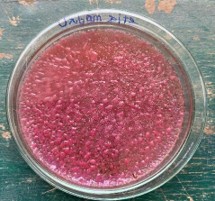
Fig 1: Isolation of coliform bacteria on MacConkey agar
Preparation of stock solution from dry fish sample
The fermented dry fish samples were grinded with the help of a mortar and converted into powder. These powdered samples were kept in airtight container for further use. For the preparation of stock solution, 0.85 gram of NaCl added to 100 ml of distilled water. After that 5gm dry fish powder added to above NaCl solution and the entire solution mixed properly using stirrer until the sample was well suspended. This solution was kept as a stock solution in refrigerator for later use.
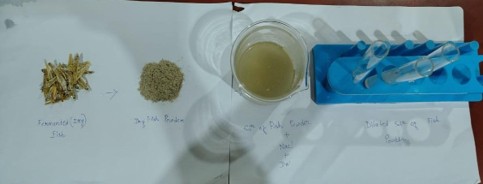
Fig 2: Preparation of stock solution of fermented dry fish powder to isolate probiotic bacteria
Isolation of Lactic Acid Bacteria (LAB)
Approximately 15 ml of de Man, Rogosa and Sharpe (MRS) agar, a selective medium for lactic acid bacteria (LAB), was dispensed into sterilized Petri plates. After solidification, the plates were inoculated with 0.1 ml aliquots from serially diluted stock suspensions, prepared up to 10-6. Dilutions of 10-4, 10-5, and 10-6 were specifically employed to ensure adequate colony separation. The inoculated plates were incubated at 37°C for 24 hours under anaerobic conditions using a GasPak system. Colonies displaying typical LAB morphology - small, round, opaque, and creamy-white - were selected and preserved for subsequent characterization.
Preliminary Characterization
The bacterial isolates were subjected to Gram staining, microscopic examination, and catalase testing to establish their preliminary identity.
Gram staining: Isolates were stained using the Gram method and observed under a light microscope. Lactic acid bacteria (LAB) are Gram-positive and appeared purple under microscopic examination.
Microscopic morphology: Cell shape and arrangement were recorded. Isolates that were non-spore forming rods or cocci, and non-motile, were considered consistent with LAB characteristics.
Catalase test: A drop of 3% hydrogen peroxide (H2O2) was applied to freshly grown bacterial colonies. The immediate release of oxygen bubbles indicated a positive catalase reaction, confirming the presence of catalase enzyme activity. In contrast, the absence of bubble formation denoted a negative catalase reaction, consistent with the lack of catalase activity. This absence of catalase is a characteristic feature of lactic acid bacteria.
Biochemical Characterization
(i) Acid tolerance test of probiotic bacteria: The procedure followed was adapted from Psomas et al. 10 with slight modifications. Overnight cultures of lactic acid bacteria, was prepared at a concentration of approximately 108 CFU/ml in MRS broth. The pH of the media was adjusted to 1.5, 2.0, 3.0, and 5.0 using 3N HCl. This culture was incubated at 37°C for three hours. Subsequently, 20 µl of samples were spread onto MRS agar plates, and colony counts were determined in CFU/ml.
The survival rate (%) was calculated using the formula:
Survival rate (%) =log CFU N1log CFU N0× 100
where N1 represents the viable cell count after treatment, and N0 represents the viable cell count before treatment.
(ii) Bile tolerance test: The ability of the isolates to grow in the presence of bile salts was assessed following the procedure described by Vinderola and Reinheimer 11, with minor modifications. Bile salt solutions were prepared using oxygall powder (Sigma) at final concentrations of 0.1%, 0.3%, 0.5%, and 1.0%. Sterile distilled water without bile salts served as the control. All solutions were sterilized by autoclaving, and 10 ml aliquots were dispensed into sterile test tubes. Cell suspensions adjusted to approximately 108 CFU/ml were inoculated into the test tubes and incubated at 37°C for 12 hours. Following incubation, 1 ml of each culture was serially diluted and plated onto the appropriate MRS agar medium. Plates were incubated at 37°C for 24 hours to determine viable counts (CFU/ml). The survival rate of the isolates was calculated using the above formula.
Antimicrobial activity
The antimicrobial activity of the isolated lactic acid bacteria (LAB) was evaluated using the agar well diffusion method on Mueller-Hinton agar, as described by Uhlman et al. 12 with modifications. Overnight LAB cultures were grown in MRS broth at 37°C and subsequently centrifuged at 2400 × g for 15 minutes. The resulting cell-free supernatants were neutralized with sterile 5 M NaOH and heated for 5 minutes to inactivate any residual viable cells. These supernatants were used as test solutions.
Sterile Petri plates were prepared by pouring approximately 15 ml of Mueller-Hinton agar and allowing them to solidify. The plates were then inoculated with 100 µl of an Escherichia coli suspension adjusted to 0.5 McFarland turbidity standard. Wells were created in the agar using a sterile cork borer, and 100 µl of LAB supernatant was dispensed into each well. Plates were incubated at 35°C for 24 hours in a BOD incubator under static conditions.
Zones of inhibition surrounding the wells were measured to assess antimicrobial activity. Sterile distilled water served as the negative control, while azithromycin (30 µg/ml) was used as the positive control.
Statistical analysis
All experimental data were expressed as the mean ± standard deviation (SD) of three independent replicates. Differences between mean values were evaluated using Student's t-test. Statistical analyses were performed with the Statistical Package for the Social Sciences (SPSS, version 11.0; SPSS Inc., Chicago, IL, USA).
Results and discussion
Based on preliminary test bacterial isolates are gram-positive, catalase-negative, non-spore forming, and non-motile nature, classified as presumptive lactic acid bacteria (LAB). The isolated lactic acid bacteria (LAB) strain demonstrated significant tolerance to both acidic and bile conditions, key traits for probiotic functionality. After 3 hours of incubation, viable counts remained at 108 CFU/ml, with survival rates of approximately 92% under acid stress (pH 2-3) and 97.3% in 0.3% bile salt. Although extreme acidity typically inhibits microbial growth, the strain, maintained viability and showed enhanced growth as pH increased, indicating strong adaptability. These findings align with Wang et al. 3, who reported that Lactobacillus strains remained viable at pH 2.5-4.0. Acid tolerance is considered a prerequisite for probiotic application, as it enables survival during gastric transit and supports their incorporation into fermented foods.
In bile tolerance assays, the strain survived at 0.3% bile salt, a concentration representative of the human gastrointestinal tract. However, microbial counts declined with increasing bile concentrations, reflecting the inhibitory nature of bile salts. Bile exerts antimicrobial effects through specific and non-specific mechanisms, with inhibition largely dependent on concentration 13. The tested strain's tolerance may be attributed to bile salt hydrolase (BSH) activity, which hydrolyzes conjugated bile salts and reduces their toxicity 14. This enzymatic mechanism is widely recognized as an important probiotic trait, facilitating survival and colonization in the intestinal environment.
The combined acid and bile tolerance observed in this study underscores the strain's resilience under gastrointestinal stress. The ability to withstand highly acidic conditions and moderate bile concentrations suggests that the strain can endure passage through the gastrointestinal tract while maintaining viability. Such characteristics reinforce its potential as a probiotic candidate capable of exerting beneficial effects in vivo and highlight its suitability for use as a dietary adjunct in fermented food products.
Table 1: Acid and bile tolerance of LAB strain under simulated gastrointestinal conditions
| Condition | Initial mean count (log CFU/ml) | Surviving count (log CFU/ml, Mean ± SD)* | Survival (%) | p-value |
|---|---|---|---|---|
| Control | 9.31 ± 0.12 | - | - | - |
| pH 1.5 | 9.31 ± 0.12 | 7.98 ± 0.21 | 85.7% | < 0.05 |
| pH 2.0 | 9.31 ± 0.12 | 8.51 ± 0.18 | 91.4% | > 0.05 |
| pH 3.0 | 9.31 ± 0.12 | 8.78 ± 0.12 | 94.3% | > 0.05 |
| pH 5.0 | 9.31 ± 0.12 | 8.89 ± 0.12 | 95.5% | > 0.05 |
| Bile 0.1% | 9.31 ± 0.12 | 9.10 ± 0.14 | 97.7% | > 0.05 |
| Bile 0.3% | 9.31 ± 0.12 | 9.06 ± 0.15 | 97.3% | > 0.05 |
| Bile 0.5% | 9.31 ± 0.12 | 8.75 ± 0.12 | 93.6% | > 0.05 |
| Bile 1.0% | 9.31 ± 0.12 | 8.10 ± 0.07 | 87.1% | < 0.05 |
* - Each value represents the mean value ± standard deviation (SD) from three trials
Antimicrobial activity if isolated LAB bacteria
The antimicrobial potential of the isolated lactic acid bacteria (LAB) strain was evaluated against Escherichia coli isolated from Bhogdoi river water. The strain exhibited clear inhibitory activity, producing a zone of inhibition measuring 24.66 ±0.67 mm. This result confirms the ability of LAB to suppress pathogenic bacteria such as Escherichia coli consistent with earlier reports documenting their effectiveness against foodborne pathogens such as Staphylococcus aureus, Escherichia coli and Listeria monocytogenes 15, 16, 11. Similarly, dry fish-derived LAB strains have been reported to survive simulated gastrointestinal conditions and exhibit antimicrobial activity against foodborne pathogens, confirming their probiotic potential 17. Likewise, LAB isolated from Thai silver barb fish (Barbonymus gonionotus) included strains like Lactocaseibacillus rhamnosus and Lactoplantibacillus plantarum. showed strong antimicrobial activity against E. coli and Aeromonas hydrophila with high acid and bile tolerance 18
The antimicrobial activity observed may be attributed to the production of bioactive compounds with bactericidal or bacteriostatic properties, including bacteriocins, organic acids, and low molecular weight peptides 19. These substances are known to inhibit the growth of pathogenic microorganisms by lowering pH, disrupting cell membranes, or interfering with essential metabolic processes. Similar effects of LAB in controlling pathogenic bacteria within fermented dairy products have been reported by Mathara et al. 20, further supporting the role of LAB as natural bioprotective agents.
The findings of this study reinforce the ecological and functional importance of LAB in food safety and preservation. Their ability to inhibit pathogenic Escherichia coli not only highlights their potential application in biocontrol strategies but also underscores their relevance in the development of probiotic formulations and fermented food products. The observed antimicrobial activity demonstrates that LAB can serve as effective natural alternatives to chemical preservatives, thereby contributing to sustainable approaches in food biotechnology and public health protection.
Table 2: Antimicrobial activity of LAB against E. coli isolated from Bhogdoi river water
| Test organism | LAB (Probiotic Bacteria) | Standard Antibiotic (Azithromycin) | Negative (DW) |
|---|---|---|---|
| Zone of inhibition in mm | |||
| E. coli | 24.66 ±0.67 | 28.00 ±0.33 | ------ |
Conclusion
The present study demonstrated that the isolated lactic acid bacteria (LAB) strain possesses strong acid and bile tolerance as well as notable antimicrobial activity against Escherichia coli. The ability to survive under gastrointestinal stress conditions and to inhibit pathogenic bacteria highlights its dual role as both a resilient probiotic candidate and a natural bioprotective agent. These findings reinforce the ecological and functional importance of LAB in food safety, preservation, and probiotic applications. By combining stress tolerance with antimicrobial potential, the strain shows promise for incorporation into fermented foods and probiotic formulations, contributing to sustainable approaches in food biotechnology and public health protection.
Acknowledgements
The author sincerely acknowledges the authority of Bahona College and co-ordinator of BioTech Hub of Bahona College providing the laboratory facilities.
Declarations
Conflict of interest: The author declares that she has no conflict of interest.
References
[1]Saarela, M., Mogensen, G., Fonden, R., Matta, J., & Mattila-Sandholm, T. 2000. Probiotic Bacteria: Safety, Functional and Technological Properties. Journal of Biotechnology, 84 (3): 197-215.
[2]Bao, Y., Zhang, Y. C., Zhang, Y., Liu, Y., Wang, S. Q., Dong, X. M., Wang, Y. Y., & Zhang, H. P. 2010. Screening of Potential Probiotic Properties of Lactobacillus Fermentum Isolated from Traditional Dairy Products. Food Control, 21: 695-701.
[3]Wang, C. Y., Lin, P. R., Ng, C. C., & Shyu, Y. T. 2010. Probiotic Properties of Lactobacillus Strains Isolated from the Feces of Breast-Fed Infants and Taiwanese Pickled Cabbage. Anaerobe, 16: 578-585.
[4]Silva, T., Reto, M., Sol, M., Peito, A., Pers, C. M., Peres, C., & Xavier Malcata, F. 2011. Characterization of Yeasts from Portuguese Brined Olives, With a Focus on their Potentially Probiotic Behavior. LWT- Food Science and Technology, 44 (6): 1349 1354.
[5]Erkilla, S., & Petaja, E. 2000. Screening of Commercial Meat Starter Cultures at Low pH and in the Presence of Bile Salts for Potential Probiotic Use. Meat Science, 55: 297 300.
[6]Incze, K. 1998. Dry Fermented Sausages. Meat Science, 49 (1): S169-S177.
[7]Tyopponen, S., Petaja, E., & Mattila-Sandholm, T. 2003. Bioprotectives and Probiotics for Dry Sausages. International Journal of Food Microbiology, 83 (3): 233-244.
[8]Angelov, A., Gotcheva, V., Hristozova, T., & Gargova, S. 2005. Application of Pure and Mixed Probiotic Lactic Acid Bacteria and Yeast Cultures for Oat Fermentation. Journal of the Science of Food and Agriculture, 85: 2134-2141.
[9]Sip, A., Wieckowicz, M., Olejnik-Schmidt, A., & Grajek, W. 2012. Anti-Listeria Activity of Lactic Acid Bacteria Isolated from Golka, a Regional Cheese produced in Poland, 26: 117-124.
[10]Psomas, E., Andrighetto, C., Litopoulou-Tzanetaki, E., Lombardi, A., & Tzanetakis, N. 2001. Some Probiotic Properties of Yeasts Isolates from Infant Faeces and Feta Cheese. International Journal of Food Microbiology, 69: 125-133.
[11]Vinderola, C. G., & Reinheimer, J. A. 2003. Lactic Acid Starter and Probiotic Bacteria, A Comparative 'In Vitro' Study of Probiotic Characteristics and Biological Barrier Resistance. Journal of Food Research International, 36: 895-904.
[12]Uhlman, L., Schillinger, U., Rupnow, J. R., & Holzapfel, W. H. 1992. Identification and Characterization of Two Bacteriocins-Producing Strains of Lactococcus Lactis Isolated from Vegetables. International Journal of Food Microbiology, 16: 141-151.
[13]Charteris, W. P., Kelly, P. M., Morelli, L., & Collins, J. K. 1998. Development and Application of an In Vitro Methodology to Determine the Transit Tolerance of Potentially Probiotic Lactobacillus and Bifidobacterium Species in the Upper Human Gastrointestinal Tract. Journal of Applied Microbiology, 84 (5): 759-768.
[14]De Smet, I., Van Hoorde, L., Vande Woestyne, M., Cristianes, H., & Verstraete, W. 1995. Significance of Bile Salt Hydrolytic Activities of Lactobacilli. Journal of Applied Bacteriology, 79: 292-301.
[15]Zhang, Y. C., Zhang, L. W., Du, M., dYi, H. X., Guo, C. F., Tuo, Y. F., Han, X., Li, J. Y., Zhang, L. L., & Yang, L. 2011. Antimicrobial Activity Against Shigellasonnei and Probiotic Properties of Wild Lactobacilli from Fermented Food. Microbiological Research, 167: 27-31.
[16]Vesterlund, S., Paltta, J., Karp, M., & Ouwehand, A. C. 2005. Measurement of Bacteria Adhesion-In Vitro Evaluation of Different Methods. Journal of Microbiological Methods, 60 (2): 225-233.
[17]AlKalbani, N., Al-Ghamdi, S., Al-Busaidi, S., Al-Saadi, H., & Al-Habsi, N. (2019). Probiotic potential and biofunctional properties of lactic acid bacteria isolated from traditionally dried anchovy fish. Journal of Food Science and Technology, 56(5), 2715-2725.
[18]Phupaboon, C., Srisuk, N., & Klaypradit, W. (2024). Probiotic potential of lactic acid bacteria isolated from Thai silver barb (Barbonymus gonionotus) with antimicrobial activity against Escherichia coli and Aeromonas hydrophila. Journal of Applied Microbiology, 136(2), 421-432.
[19]Lefteris, M., Vagelis, T., Domitille, F., Tom, A., Georgia, Z., & Effie, T. 2006. Kinetic Analysis of the Antibacterial Activity of Probiotic Lactobacilli towards Salmonella entericaserovar Typhimurium Reveals a Role for Lactic Acid and other Inhibitory Compounds. Research in Microbiology, 157 (3): 241-247.
[20]Mathara, J. M., Schillinger, U., Guigas, C, Franz, C., Kutima, P. M., & Mbungua, S. K. 2008. Functional Characteristics of Lactobacillus Spp. from Traditional Maasai Fermented Milk Products in Kenya. International Journal of Food Microbiology, 126 (1-2): 57 64.