
Traditional Use of Medicinal Plants by Local Communities of Mahkhuti, Dhing,
Nagaon District, Assam
1Sanjeeb Kr. Nath, 2Sushil Das, 3*Mousumi Terangpi
1&2Department of Botany, Dhing College, Nagaon, Assam, Pin-782123; 3Department of Botany, Rabindranath Tagore University (Sir J. C. Bose Campus), Sagar Basti, Hojai, Assam, PIN-782433
*Corresponding author: mousumiterangpi52@gmail.com
Abstract
This study documents the traditional knowledge of medicinal plants utilized by the local community of Mahkhuti, Dhing, in Assam's Nagaon district. The region is characterized by high biodiversity and is inhabited by several ethnic groups, particularly Nepali and Assamese communities, who employ native plants to treat common illnesses. Ethnobotanical surveys were conducted through interviews with local healers, elders, and other community members. The research identified 35 medicinal plants species belongs to 33 genera and 25 families are used for different aliments such as fever, cough, digestive disorders, wounds, and skin diseases. Among these, the family Lamiaceae was the most frequently represented, while the genera Piper and Terminalia were most commonly recorded, each with two species. The results indicate that leaves are the most frequently utilized plant part. The majority of treated ailments include gastrointestinal disorders, skin diseases, fevers, respiratory problems, and wounds. Community members employ straightforward and effective preparation methods, such as pastes, decoctions, juices, and powders. Nevertheless, modernization, habitat loss, and increased reliance on commercial medicines are diminishing the community's connection to traditional plant knowledge. Documenting this knowledge contributes to the preservation of ethnic traditions and supports the sustainable utilization of local plants for future medicinal applications.
Keywords: Ethnobotany, Medicinal Plants, Traditional Knowledge, Mahkhuti, Assam
Introduction
Traditional knowledge of medicinal plants plays a vital role in healthcare among rural and indigenous communities (Kala, 2005; Jain, 1991). In India, particularly in the Northeast, this knowledge is transmitted across generations. Dhing, Mahkhuti, a rural area in Nagaon district, is recognized for its ethnic diversity and rich plant resources, which supports traditional healing practices (Borthakur & Sarma, 2010). However, there is limited scientific documentation of this knowledge. The present study explores, documents, and analyzes the medicinal use of local plants, thereby supporting conservation efforts and informing future research. Plants have been integral to human life since the beginning of civilization, serving as sources of food, shelter, and, most importantly, medicine (Balick & Cox, 1996). Prior to the advent of modern pharmaceutical sciences, indigenous societies worldwide relied extensively on local flora to treat a variety of illnesses (Jain, 1991). This practice, commonly referred to as traditional or folk medicine (Srivastava & Singh, 2021), reflects the collective wisdom accumulated over generations. In India, especially in rural and ethnically diverse regions, medicinal plants continue to constitute an essential component of local healthcare systems.
Assam, located in northeastern India, is recognized as a global biodiversity hotspot with abundant vegetation and a rich cultural heritage (Kalita et al., 2010). Nagaon district is noted for its fertile land, diverse flora, and a population comprising Assamese, Nepali-speaking, and tribal communities (Government of Assam, 2019). Dhing Mahkhuti, a semi-rural locality within this district, continues to rely extensively on natural resources for daily sustenance and healthcare. In the absence of advanced medical facilities, residents have utilized native medicinal plants for generations to address common ailments such as fevers, coughs, gastrointestinal issues, skin infections, wounds, and bone fractures (Borthakur, 1997; Das & Tag, 2006). This knowledge is transmitted orally and refined through practical experience within the community (Kala, 2005; Jain, 1991).
Although modern medicine is increasingly prevalent, the use of traditional medicinal plants remains significant, particularly among older individuals and those residing in remote areas. However, changing lifestyles, urban migration, and deforestation threaten the preservation of this knowledge. Many younger community members are less engaged with traditional practices, placing both the knowledge and the associated plant species at risk. While several ethnobotanical surveys have been conducted in Assam (Baruah & Sarma, 2015; Borah & Prasad, 2017; Deka et al., 2016), limited scientific attention has been given to Dhing Mahkhuti, despite its rich cultural and biological diversity. This research gap underscores the necessity of documenting the area's medicinal plant knowledge before it is lost.
This study aims to systematically document the medicinal plants used by people in Mahkhuti, Dhing, Nagaon district, Assam. It records the plant species, their uses, local names, parts used, preparation methods, and treated ailments. This research supports conserving both biodiversity and cultural heritage, and may promote future studies based on local knowledge.
Materials and methods
Study Area
Dhing Mahkhuti is a semi-rural area in Nagaon district, Assam, located around 26.4532° N latitude and 92.5107° E longitude. The region has a subtropical monsoon climate with plenty of rain and moderate humidity, supporting varied vegetation and animal life. Local vegetation includes farms, gardens, grasslands, roadside bushes, and semi-forested areas where many medicinal plants grow naturally or with little human care.
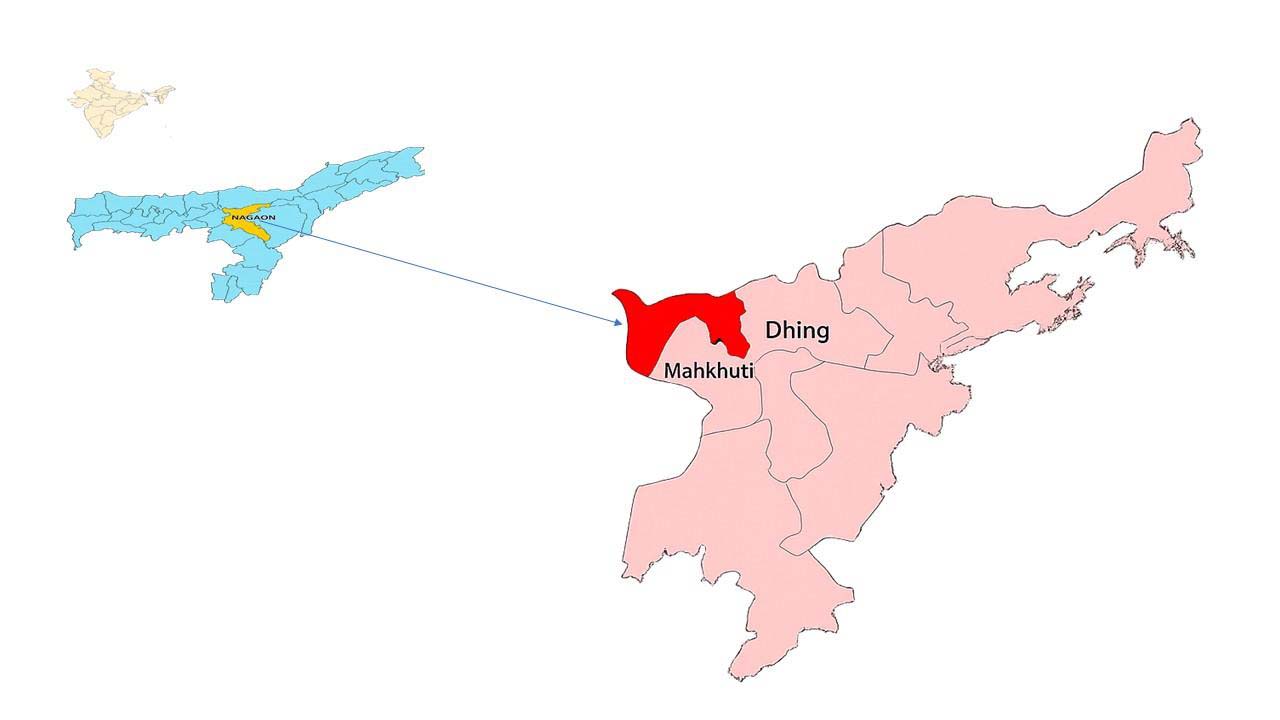
Fig. 1: Map of Study area- Mahkhuti, Dhing
Methods
This ethnobotanical study was undertaken to document the medicinal plant knowledge practiced by local people in Dhing Mahkhuti, Nagaon District, Assam. The methods combined traditional ethnobotanical approaches with modern scientific documentation to ensure accurate data collection. The study was carried out in 2025. A total of 25 informants were selected using purposive sampling to include knowledgeable people. The informant group included five traditional healers (Kabiraj), ten elderly residents (aged 50 and above) with experience in herbal medicine, and ten villagers from various age groups familiar with plant use in daily life. Prior to data collection, verbal consent was obtained from all informants. Ethical codes were strictly followed, with due respect for the indigenous knowledge system and the intellectual community rights of the community.
Data Collection Techniques
The following methods were used to gather thorough and reliable information:
Semi-structured interviews used a questionnaire covering plant names (local and scientific, if known), parts used, preparation methods, dosage, ailments treated, and cultural importance. Interviews were held in Assamese and the local Nepali dialect to ensure clear communication.
Walk-in-the-Woods Method
Informants guided researchers to places where medicinal plants are collected. This allowed for quick identification, specimen collection, and direct observation of plant habitats.
Group discussions: Small focus groups with elderly villagers were used to cross-check and confirm the information collected in individual interviews.
Plant specimens were gathered, tagged, and pressed following standard botanical practices. They were identified using regional floras (Kanjilal et al., 1934 – 1940) and verified at the Assam Agricultural University Herbarium with expert help.
Plant Identification and Verification
Collected plants were identified through morphological observation and by consulting relevant literature viz., Borthakur et al., 2018; Baruah & Ahmed, 2014; Kanjilal et al., 1934 – 1940, POWO ( https://powo.science.kew.org/ ) and by comparison with the authenticated digital herbarium specimens accessed through the virtual herbarium of Kew's Herbarium.
Data Arrangement and Analysis
Researchers recorded the data in tables with fields for local and scientific plant names, family, parts used (leaf, root, bark, flower, seed, whole plant), preparation method (paste, decoction, juice, powder, raw), ailments treated, and mode of administration (oral, topical, inhalation, etc.). Descriptive statistics were used to analyze how often different plant parts and preparations were used, and which plants were linked to specific diseases. Results were compared according to previous studies to find similarities or new findings.
Ethical Consideration
Researchers took all necessary steps to document indigenous knowledge respectfully and ethically. Informants' identities were kept confidential unless they agreed to be named. The study follows principles of traditional knowledge preservation and fair benefit-sharing, identifying the local community's ownership of the information. This organized procedure, combining interviews, specimen collection, and scientific checks, ensured accurate and culturally sensitive documentation, forming the basis of this study.
Results and Discussion
The ethnobotanical survey in Mahkhuti, Dhing, Nagaon district, Assam, documented valuable traditional knowledge about medicinal plant use among Nepali-speaking and Assamese communities. The study recorded a total of 35 medicinal plant species under 33 genera and 25 families, commonly used to treat different health conditions. Several plant species documented in this study have previously been recognized for their economic and medicinal importance in earlier floristic assessments of the region (Nath & Sarma, 2008).
Among the documented medicinal plants, herbs were the most common, making up 40% of the species, followed by shrubs at 30%, trees at 20%, and climbers at 10%. Leaves were the most regularly used plant part, making up 50% of uses followed by Roots in 20%, bark in 10%, fruits and seeds together in 15%, and whole plants in about 5% of remedies.
The study also recorded several preparation Tradional medicine practices, Paste preparation method was the widely utilized, (35%) involving crushing of leaves, roots, bark and applied directly to the skin for cuts, wounds, boils, and skin conditions; Decoction (30%) were made by boiling plant parts in water, frequently used for internal ailments such as stomach ache, fever, cough, and cold; Juice (20%) extracted from fresh leaves or stems and consumed orally to help with digestive issues, liver problems, and infections; Powdered forms (10%), prepared from dried plant parts and taken with water or honey for chronic conditions; Raw consumption method (5%) where plants were eaten directly without processing, usually for stomach issues or as immunity boosters. The details of used Percentage (%) of plants against aliments are listed in table 1. and Modes of Administration (%) were listed table -2. Oral interviews with community showed that elderly community members and traditional healers hold most of the traditional medicinal knowledge. Younger informants possess less familiarity with these practices, which indicates a decline in knowledge due as a result of concerning trend of modernization, lifestyle changes, and less reliance on natural healthcare resources.
Table. 1: Percentage (%) of Recorded Medicinal Plants Used for Different Ailments
| Sl. No. | Ailments | Percentage (%) of Recorded Plants Used |
|---|---|---|
| 1 | Gastrointestinal disorders (stomach ache, diarrhoea, indigestion) | 25% |
| 2 | skin diseases and wounds | 20% |
| 3 | respiratory ailments (such as asthma, cough, bronchitis) | 15% |
| 4 | Bone fractures and joint pain :-; | 10% |
| 5 | Snake bites and insect stings | 5%. |
| 6 | infections and urinary problems | 7% |
Table. 2: Modes of Administration (%) for Medicinal Plants Used in Disease Treatment
| Sl. No. | Mode of Administration | Percentage (%) of Recorded Administration |
|---|---|---|
| 1 | Oral use (decoctions, juices, & powders) | 60% |
| 2 | Topical use (pastes and oils applied to wounds, cuts, skin diseases, and fractures) | (35%) |
| 3 | Other uses (inhalation for respiratory relief or as an insect repellent) | (5%) - |
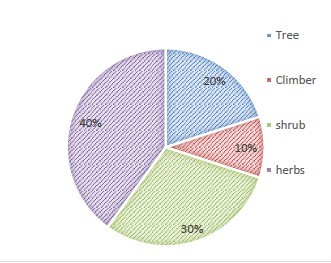
Fig. 2: Percentage Use of Plants by Habit (Herb, Shrub, Tree, Climber)
|
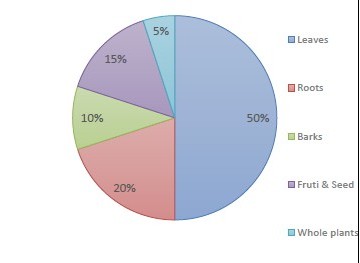
Fig. 3: Percentage of parts of Plants used in Traditional medicine
|
Table. 3: List of Medicinal Plants by Local Communities of Mahkhuti, Dhing, Nagaon District
| Sl. No. | Botanical Name | Local Name (Assamese) |
Plant Part Utilized |
Therapeutic Applications | Mode of Preparation |
|---|---|---|---|---|---|
| 1 |
Abrus precatorius L. Fabaceae Coll.no. DC0001 |
Rati | seeds, foliage |
Relief from joint discomfort & cough | Ground powder, topical paste |
| 2 |
Achyranthes aspera L. Amaranthaceae Coll. no. DC0002 |
Apang | Entire plant | Management of asthma, piles, & minor injuries | Herbal decoction, external paste |
| 3 |
Aegle marmelos (L.) Rutaceae Corrêa Coll. no. DC0003 |
Bel | Fruits and leaves |
Used against diarrhea, dysentery, & diabetes | Boiled extract, raw pulp |
| 4 |
Aloe vera (L.) Burm.f. Asphodelaceae Coll. no. DC0004 |
Ghrit Kumari | Leaf gel | Treatment of burns, skincare, & bowel regulation | Gel application, oral juice |
| 5 |
Andrographis paniculata (Burm.f.) Nees Acanthaceae Coll. no. DC0005 |
Kalmegh | Leaves | Helpful in fever control & liver ailments | Herbal decoction |
| 6 |
Azadirachta indica A. Juss Meliaceae Coll. no. DC0006 |
Neem | Leaves & bark |
Beneficial for skin disorders, blood sugar control, and fever | Extracted juice, boiled preparation |
| 7 |
Calotropis gigantea (L.) Dryand. Apocynaceae Coll. no. DC0007 |
Akon | Leaves & latex |
Alleviates joint pain & dermatological problems | Poultice, latex use |
| 8 |
Carica papaya L. Caricaceae Coll. no. DC0008 |
Amita | Whole plant | Supports cholesterol reduction & digestion | Herbal drink, extract |
| 9 |
Cassia fistula L. Fabaceae Coll. no. DC0009 |
Sonaru | Fruit pulp | Natural remedy for constipation & skin issues | Paste, medicinal brew |
| 10 |
Catharanthus roseus (L.) G. Don Apocynaceae Coll. no. DC0010 |
Nayantara | Leaves & roots |
Used in diabetes and blood pressure regulation | Herbal decoction |
| 11 |
Centella asiatica (L.) Urban Apiaceae Coll. no. DC0011 |
Manimuni | Leaves | Enhances memory & aids wound repair | Fresh extract, paste |
| 12 |
Cissus quadrangularis L. Vitaceae Coll. no. DC0012 |
Harjor | Stem | Promotes bone healing & joint strength | Paste, liquid extract |
| 13 |
Clerodendrum infortunatum L. Lamiaceae Coll. no. DC0013 |
Dhopat tita | Roots & leaves |
Applied in malaria and skin-related conditions | Decoction, herbal paste |
| 14 |
Cocculus hirsutus (L.) W. Theob. Menispermaceae Collection no. DC0014 |
Hikmora | Leaves & stem |
Useful in fever reduction & skin treatment | Boiled extract, paste |
| 15 |
Curcuma longa L. Zingiberaceae Coll. no. DC0015 |
Halodhi | Rhizome | Acts as anti-inflammatory & wound healer | Powder, paste, decoction |
| 16 |
Eclipta prostrata L. Asteraceae Coll. no. DC0016 |
Kehraj | Leaves | Encourages hair growth & supports liver health | Juice, medicated oil |
| 17 |
Emblica officinalis L. Phyllanthaceae Coll. no. DC0017 |
Amlakhi | Fruit | Strengthens immunity & digestion | Raw, powdered, decoction |
| 18 |
Hibiscus rosa-sinensis L. Malvaceae Coll. no. DC0018 |
Joba | Flowers & leaves |
Used in hair care & menstrual regulation | Paste, liquid extract |
| 19 |
Justicia adhatoda L. Acanthaceae Collection no. DC0019 |
Bahak | Leaves | Effective for respiratory conditions | Decoction, leaf juice |
| 20 |
Lawsonia inermis L. Lythraceae Coll. no. DC0020 |
Jetuka | Leaves | Improves skin, hair, & nail health | Crushed leaf paste |
| 21 |
Leucas aspera L. Lamiaceae Coll. no. DC0021 |
Dronpushpi | Leaf gel | Applied to burns, wounds, & digestion issues | Gel, juice |
| 22 |
Livistona chinensis (Jacq.) R.Br. ex Mart. Arecaceae Coll. no. DC0022 |
Japee pat | Leaves | Reported anticancer properties | Paste |
| 23 |
Mentha arvensis L. Lamiaceae Coll. no. DC0023 |
Pudina | Leaves | Relieves indigestion & nausea | Juice, infusion |
| 24 |
Mimosa pudica L. Fabaceae Coll. no. DC0024 |
Lajuki lota | Leaves & roots |
Used for piles and wound care | Paste, decoction |
| 25 |
Moringa oleifera Lam. Moringaceae Coll. no. DC0025 |
Sohjona | Leaves & pods |
Enhances strength, reduces inflammation, controls sugar | Cooked food, juice |
| 26 |
Ocimum sanctum L. Lamiaceae Coll. no. DC0026 |
Tulsi | Leaves | Common remedy for cold, cough, & fever | Infusion, juice |
| 27 |
Phyllanthus emblica L. Phyllanthaceae Coll. no. DC0027 |
Amla | Entire plant | Supports liver function & treats jaundice | Decoction, juice |
| 28 |
Piper longum L. Piperaceae Coll. no. DC0028 |
Pipoli | Fruits | Useful in asthma & digestive disorders | Powder, decoction |
| 29 |
Piper nigrum L. Piperaceae Coll. no. DC0029 |
Jaluk | Fruits | Aids digestion & respiratory health | Powder, boiled extract |
| 30 |
Solanum nigrum L. Solanaceae Collection no. DC0030 |
Mati kanduri | Leaves & fruits |
Helpful in liver ailments & ulcers | Paste, decoction |
| 31 |
Terminalia bellirica (Gaertn.) Roxb. Combretaceae Coll. no. DC0031 |
Bhomora | Fruits | Treats cough and digestive imbalance | Powder, decoction |
| 32 |
Terminalia chebula Retz. Combretaceae Coll. no. DC0032 |
Hilikha | Fruits | Promotes bowel movement & gut health | Powder, decoction |
| 33 |
Tinospora cordifolia (Thunb.) Miers Menispermaceae Coll. no. DC0033 |
Amrakhilata | Stem | Boosts immunity & controls fever | Decoction |
| 34 |
Withania somnifera (L.) Dunal Solanaceae Coll. no. DC0034 |
Ashwagandha | Roots | Reduces stress & improves vitality | Powder, decoction |
| 35 |
Zingiber officinale Roscoe Zingiberaceae Coll. no. DC0035 |
Ada | Rhizome | Effective against cold, cough, & indigestion | Infusion, paste |
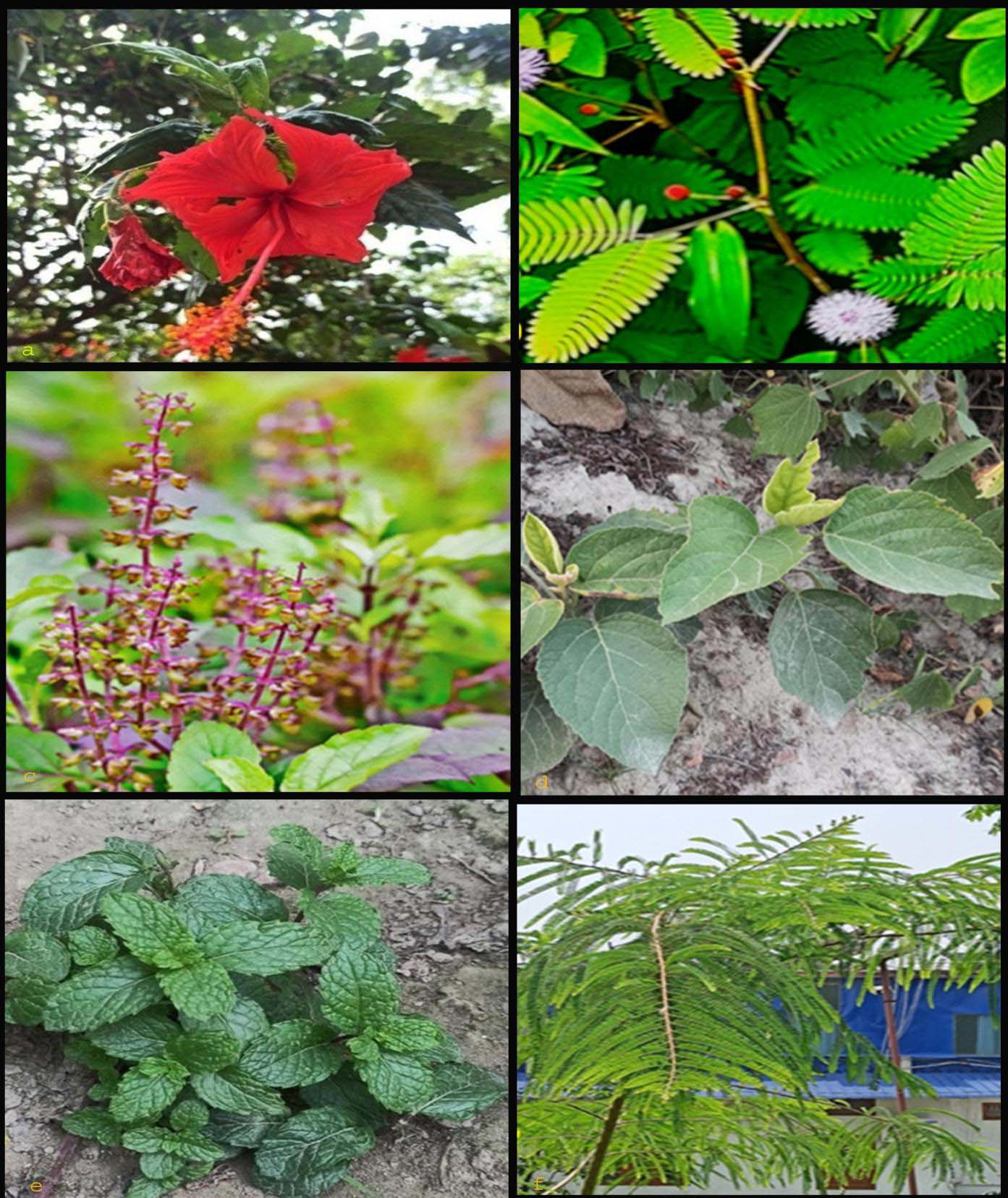
Conclusion
This ethnobotanical study in Dhing Mahkhuti, Nagaon District, Assam, recorded how the local community uses medicinal plants. The results show that even as modern medicine becomes more common, many rural residents especially elders and traditional healers, still depend on plant-based remedies for a range of health issues, from colds and fevers to bone fractures. The research identified 35 medicinal plant species used for both prevention and treatment, showing the community’s deep knowledge of local plants. People use simple but effective methods like making pastes, decoctions, juices, and powders, based on generations of experience. Leaves are the most used part, and most treatments address stomach problems, skin diseases, fevers, breathing issues, and wounds. These results show that local plant-based healthcare works well and reflect the adaptability and resourcefulness of Dhing Mahkhuti’s people. However, the study also found that traditional plant knowledge is fading, especially among younger people. Modernization, habitat loss, and more use of commercial medicines are weakening ties to these traditions. This study highlights the urgent need to protect and record both medicinal plant species and the oral traditions linked to their use (Hamilton, 2004). Ethnobotanical knowledge is a valuable cultural and scientific resource that helps the community and supports research into plant-based medicines and sustainable healthcare. By preserving this knowledge and continuing research, future generations can benefit from natural remedies and help keep the ecological balance in biodiverse areas like Dhing Mahkhuti.
Declaration
Conflict of Interest: The authors declare that they have no conflict of interest.
Acknowledgement
The authors are grateful to the informants for providing all the related information of the work. Special thanks to the faculty members and students of Botany Department, Dhing College, who helped during the field survey and gather information. We are also thankful to the Principal of Dhing College for encouraging us to carry out the research work.
References
- Balick, M. J., & Cox, P. A. (1996). Plants, people, and culture: The science of ethnobotany. Scientific American Library.
- Barooah, C., Ahmed, I. (2014). Plant diversity of Assam: a checklist of angiosperms and gymnosperms, Assam Science Technology and Environment Council.
- Baruah, A., & Sarma, G. C. (2015). Ethnomedicinal plants used by the Tiwa tribe of Morigaon District, Assam, India. International Journal of Herbal Medicine, 1(4), 50–57.
- Borah, M. P., & Prasad, S. B. (2017). Ethnomedicinal plants of Manas National Park, Assam, India. Indian Journal of Traditional Knowledge, 16(3), 458–465.
- Borthakur, S. K. (1997). Plants in the folklore and folk life of the Assamese people. Journal of Economic and Taxonomic Botany, 21(1), 133–145.
- Borthakur, S. K., & Sarma, S. K. (2010). Ethnomedicinal plants used by the people of Assam. Journal of Economic and Taxonomic Botany, 34(2), 345–356.
- Borthakur, S.K., Baro D., Bawri, A., & Boro, A. (2018). Flora of BTAD (Bodoland Territorial Area Districts, Assam) (Vol-I, II, III, IV), EBH Publishers, India
- Das, A. K., & Tag, H. (2006). Ethnomedicinal studies of the Khamti tribe of Arunachal Pradesh. Indian Journal of Traditional Knowledge, 5(3), 317–322.
- Deka, D. C., Talukdar, N. R., & Sarma, R. (2016). Traditional use of medicinal plants by the rural people of Sonitpur district, Assam, India. International Journal of Pharmacy and Pharmaceutical Sciences, 8(3), 221–228.
- Government of Assam. (2019). Statistical handbook of Assam. Directorate of Economics and Statistics, Government of Assam.
- https://powo.science.kew.org/
- Jain, S. K. (1991). Dictionary of Indian folk medicine and ethnobotany: A reference manual of man-plant relationships. Deep Publications.
- Kala, C. P. (2005). Ethnomedicinal botany of the Apatani in the Eastern Himalayan region of India. Journal of Ethnobiology & Ethnomedicine, 1, 11.
- Kalita, D., Borthakur, S. K., & Nath, K. K. (2010). Ethnomedicinal plants used by the Mishing tribe of Assam for the treatment of various diseases. Indian Journal of Traditional Knowledge, 9(3), 496–501.
- Kanjilal, U. N., Kanjilal, P. C., Das, A., De, R. N., & Bor, N. L. (1934–1940). Flora of Assam (Vols. 1–5). Government of Assam Press.
- Nath, S. K., & Sarma, S. K. (2008). Potential plant wealth of Laokhowa Wildlife Sanctuary, Nagaon, Assam. Nature Environment and Pollution Technology, 7(4), 659–662.
**********