

Community Perspectives on The Sustainability of Cow-Sheds and Their Role in Vulture Conservation Around Shuklaphanta National Park, Nepal
1Surakshya Pokharel * and 2Sudip Adhikari
1Saptagandaki Multiple Campus, Tribhuvan University, Bharatpur, Nepal
2Institute of Forestry, Tribhuvan University, Hetauda Campus, Nepal
*Corresponding Author: surakshyapokharel28@gmail.com
Abstract
Vultures are very essential scavengers of the ecosystem. They help to maintain ecological balance by cleaning up animal carcasses. Like the global trend, their population have been declining sharply in Nepal too due to the use of harmful veterinary drugs like diclofenac, declining food availability and habitat loss. This study assesses how cow-sheds are playing a vital role in vulture conservation by understanding community perspectives around Suklaphanta National Park. Data were collected from 150 household from five different sites through surveys, interviews and field observations. The results reveal a critical disconnect: although awareness of cow-sheds was nearly universal (99.3%), traditional burial remained the dominant method (71.3%) for carcass disposal. Furthermore, knowledge of diclofenac's danger to vultures was critically low (22% aware). Willingness to donate unproductive livestock was primarily hindered by religious beliefs and a deep-seated mistrust in management, with logistical challenges like distance as secondary factors. To encourage community participation, communities recommended the need of better fodder and water availability, regular collection of carcass from community and practical management training to community. The study concludes that although cow-sheds show strong potential as a conservation measure, but for converting awareness into sustained action, it depends on addressing underlying issues of trust, socio-cultural perceptions, and logistical limitations.
Keywords: Community participation, Livestock donation, Cultural belief, Diclofenac, Carcass management
Introduction
According to the IUCN, nine species of Accipitridae vultures are found in Nepal. Among them, four species of vulture (the White- rumped vulture, Indian vulture, Slender-billed vulture, and Red-headed vulture) are classified as critically endangered (Harris, 2013; Bhusal et al., 2023b). Vulture plays an important role for maintain ecosystem services, such as waste recycling and disease control, which are critical for public health and environmental sustainability. During 1990s, most of the resident vulture species in Nepal declined by more than 95%. In just a few years, they went from being among the most common birds to the country's rarest bird, where their population dropped from about half a million to only around 20,000 individuals (Birds on the brink, 2020). Between 1995 and 2011, vulture species monitoring in Nepal's lowlands showed a 91% decrease in the white-rumped vulture (Gyps bengalensis) population and a 96% fall in the slender-billed vulture (Gyps tenuirostris). In Asia, vulture population have suffered near- extinction primarily because of poisoning from the carcasses containing veterinary drug like diclofenac. Between 2011 and 2023, a total of 224 vultures were reported dead including 93 white- rumped vulture. (Bhusal et al., 2023a). While poisoning remains this primary threat, an increasing number of vulture deaths are now also attributed to electrocution from power infrastructure (Safford et al., 2019).
Since veterinary diclofenac contaminated natural food, establishing safe feeding areas has been advocated as a way to preserve wild vultures after the population collapse in South Asia (Gautam et al., 2022). Proper and effective management of carrion from domestic livestock and wild ungulates remain essential for conservation efforts of vulture (Margalida et al., 2009). In Nepal, conservation efforts have focused on in-situ measures such as prohibition of the veterinary use of diclofenac and protecting the remaining breeding colonies. In addition, “Vulture Safe Zones” have been established to limit exposure to poisonous substances and reduces other threats to vultures (Chaudhary et al., 2012). Despite the presence of vulture safe feeding sites (VSFS), cowsheds are established to conserve the status of vulture. Cow-sheds can support ecological balance and healthier vulture populations by making sure carcasses are free of dangerous medications (Fernandez-Gomez et al., 2022). One of the major challenges to vulture survival in Nepal is that domestic animals’ carcasses are frequently buried or discarded in forests because of the knowledge gap and unwillingness of community to donate old or unproductive livestock that has directly threatened vulture food security (Dhakal et al., 2013). In such context, it is necessary to understand the socio-economic dynamics, behavioural patterns and perception of local residents.
Shuklaphanta National Park and its surrounding areas are very important habitat for White-rumped Vulture (Gyps bengalensis). White-rumped Vulture is a critically endangered species at both national and global levels. This study helps to understand local people’s perception and their attitudes towards vulture conservation and their opinion regarding cow-sheds management for vulture conservation. By identifying gaps in awareness and participation, the findings promote safe disposal of livestock carcasses, awareness on the toxic veterinary drugs uses and strengthen the ecological role of cow-sheds as sustainable food sources for vulture conservation
Materials and Method
Study area
The study was conducted around Shuklaphanta National Park (ShNP) in Kanchanpur District, Sudurpashchim Province, Nepal. The location of the study area is shown in Figure 1. It covers about 16 km2 area. It includes the largest grassland ecosystem of Nepal. The area is dominated by Narenga porphyrocoma, Saccharum bengalensis, Imperata cylindrica, and Desmostachya bipinnata. The park is the home of several threatened species, including the White- rumped Vulture (Gyps bengalensis), Bengal Tiger (Panthera tigris) and One-horned Rhinoceros (Rhinoceros unicornis). The region has a subtropical climate with average annual rainfall of about 1,830 mm, where highest rainfall occurs in August. Most of the local household heavily depend on agriculture and livestock rearing for their livelihoods. This makes the region suitable for studying cow-shed based vulture conservation practices. For this study, five cow-sheds sites that actively support vulture population by providing carrion were selected. These sites include: Shree Gyasi Samrakshan Gaushala (Krishnapur-4), Gad Bijula Samajhik Chada Chaupaya Byabasthapan Samiti (Krishnapur-2), Kishan Bufferzone Community Forest Cow Shelter (Beldandi-4), Dodhara Chandani Municipality Cow Shelter (Ward 10), and Madhuwan Gaushala (Bhimdatta-13). These sites represent both buffer zone and outside-buffer locations differing in community composition and management practices. The geographical coordinates and settings of these five sites are detailed in Table 1.
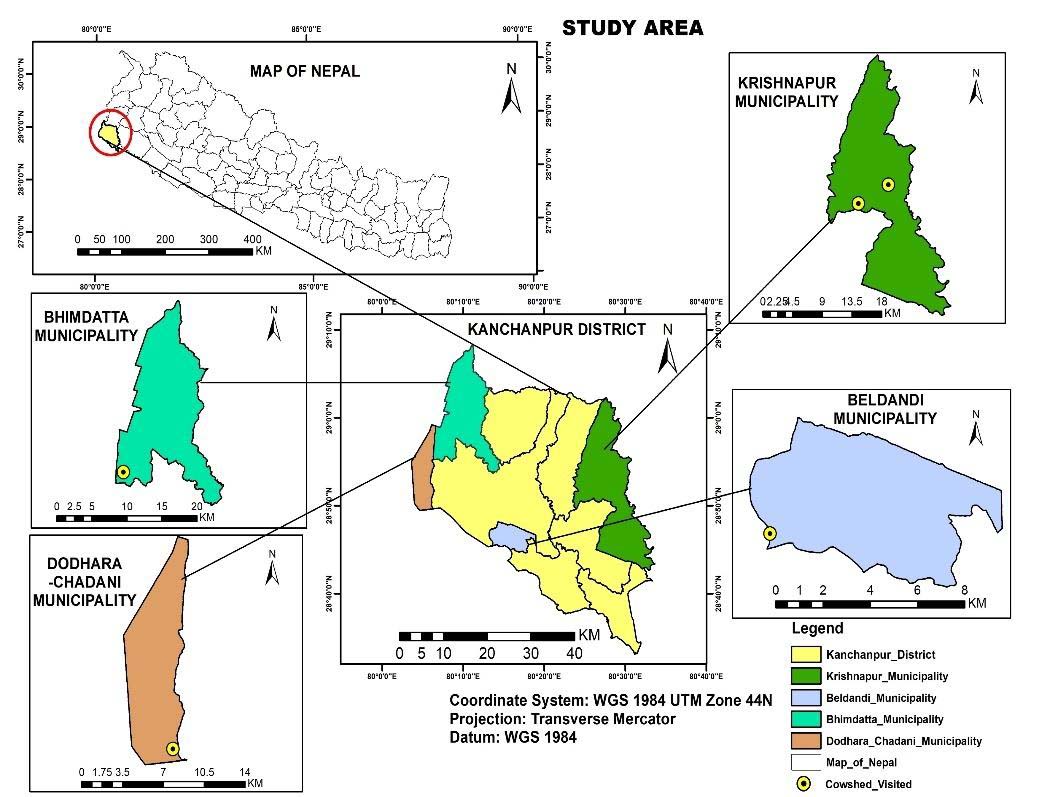
Table 1: Geographical location of study sites
| Sl. No. | Sites | Local body | Geographical setting | Remarks |
|---|---|---|---|---|
| 1. | Site – 1 | Beldandi- 4 | 28.763574°N, 80.219405°E | Buffer Zone Area |
| 2. | Site – 2 | Krishnapur-2 | 28.851446°N, 80.435413°E | Outside buffer zone |
| 3. | Site – 3 | Krishnapur -4 | 28.875096°N, 80.476209°E | Outside buffer zone |
| 4. | Site – 4 | Dodhara Chandani -10 | 28.835546°N, 80.098276°E | Outside buffer zone |
| 5. | Site – 5 | Bhimdatta -13 | 28.934063°N, 80.115034°E | Buffer Zone Area |
Data collection
Data were collected based on on-field observations, structured questionnaire surveys, key informant interviews, and a review of literature. For the collection of primary data, direct observation, household surveys, key informant interview (KII), and checklists were done. Direct observation was focused on the area that provide shelter and feeding opportunities for vulture. A semi-structured questionnaire was used to collect both quantitative and qualitative information from local residents using a simple random sampling method. Adult household members were mostly interviewed to understand livestock ownership, carcass disposal practices, awareness of cow-sheds, and willingness to contribute unproductive livestock. A total of 150 households were surveyed, with 30 samples from each of the five sites. To gain further information, four key informant interviews were conducted with caregivers who were directly involved in cow-shed management at Beldandi-4, Krishnapur-4, Kutiya Cover-10 and Bhimdatta-13 (Krishnapur-2 was excluded due to operational issues). These interviews provided valuable information on vulture activity, carcass handling practices and how often community collaborate for carcasses management. Information gained from the interviews were then used to develop a checklist to assess governance, management practices and the physical and environmental conditions of cow-sheds and vulture conservation areas. Secondary data were collected from government and non-government sources, particularly reports published by the Department of National Parks and Wildlife Conservation (DNPWC) and the National Trust for Nature Conservation (NTNC), as well as relevant scientific journals, academic papers and news articles. These sources supported the primary data by providing information on vulture population trends, livestock dynamics, veterinary drug policies and community-based conservation initiatives.
Data Analysis
Collected data and information’s were analyzed and interpreted in both qualitative and quantitative approaches. For qualitative data, simple statistical techniques like tabulation, percentage, average, mean and median were used whereas quantitative data were interpreted descriptively. For better interpretation, different data visualization tools such as bar diagrams, pie charts, line graphs, tables, figures, photographs and maps were used. Data were visualized and processed with the help of different software including Microsoft Excel, Google Earth and QGIS.
Result and Discussion
Demographic and socio-economic condition
Questionnaire survey for 150 respondents were done across five sites around Shuklaphanta National Park and their socio-demographic characteristics are summarized in Table 2. The majority of the respondents (47%) were aged between 21–40 years, followed by 40% of age 41–60 years, while only 6% were below 20 years. Within the total respondents, males were 59.3% and females were 40.7%. In terms of education, moderate level of education was seen among respondent where 23.3% were illiterate, 24% had intermediate education, 16.7% had basic literacy below secondary level, 18% had completed secondary education and 18% had university-level education. Talking about religion-wise context, dominant population were Hindu with 90.6% of the population, followed by Christians (8.7%) and Buddhists (0.7%). Agriculture was a primary occupation where 23.3% of respondents were involved in farming. However, a combined 26.0% were engaged in various “other” occupations, showing diversified livelihoods. Other notable occupation were business (18%), formal employment (15.3%), students (8%) and unemployed (9.3%).
Table 2: Socio-demographic profile of respondents in the study area
| SL. No. | Categories | Group | Site 1 | Site-2 | Site-3 | Site-4 | Site-5 | Overall |
|---|---|---|---|---|---|---|---|---|
| 1 | Age | 0-20 | 10.0 | 0.0 | 3.3 | 3.3 | 6.7 | 4.7 |
| 21-40 | 50.0 | 43.3 | 50.0 | 43.3 | 50.0 | 47.3 | ||
| 41-60 | 30.0 | 53.3 | 40.0 | 43.3 | 33.3 | 40.0 | ||
| 60+ | 10.0 | 3.3 | 6.7 | 10.0 | 10.0 | 8.0 | ||
| 2 | Gender | Female | 66.7 | 23.3 | 43.3 | 30.0 | 40.0 | 40.7 |
| Male | 33.3 | 76.7 | 56.7 | 70.0 | 60.0 | 59.3 | ||
| 3 | Education | Illiterate | 23.3 | 26.7 | 20.0 | 20.0 | 26.7 | 23.3 |
| intermediate | 20.0 | 26.7 | 26.7 | 30.0 | 16.7 | 24.0 | ||
| Literate | 16.7 | 10.0 | 20.0 | 20.0 | 16.7 | 16.7 | ||
| Secondary | 20.0 | 16.7 | 13.3 | 23.3 | 16.7 | 18.0 | ||
| University | 20.0 | 20.0 | 20.0 | 6.7 | 23.3 | 18.0 | ||
| 4 | Occupation | Business | 10.0 | 26.7 | 20.0 | 16.7 | 16.7 | 18.0 |
| Farmer | 20.0 | 33.3 | 23.3 | 26.7 | 13.3 | 23.3 | ||
| job holders | 16.7 | 13.3 | 10.0 | 13.3 | 23.3 | 15.3 | ||
| Student | 10.0 | 10.0 | 3.3 | 0.0 | 16.7 | 8.0 | ||
| Other | 26.7 | 16.7 | 40.0 | 30.0 | 16.7 | 26.0 | ||
| unemployed | 16.7 | 0.0 | 3.3 | 13.3 | 13.3 | 9.3 | ||
| 5 | Religion | Hindu | 100.0 | 83.3 | 76.7 | 93.3 | 100.0 | 90.6 |
| Buddhist | 0.0 | 3.3 | 0.0 | 0.0 | 0.0 | 0.7 | ||
| Christian | 0.0 | 13.3 | 23.3 | 6.7 | 0.0 | 8.7 | ||
| Total number of respondents | 20.0 | 20.0 | 20.0 | 20.0 | 20.0 | 100.0 | ||
Livestock ownership and carcass supply to cow-sheds
In the past, livestock ownership was much higher as compared to present where 70% of the household used to farm cows. However, only 16% of the household had ever given their cows to the cow-sheds which shows decline in livestock engagement. One of the reasons behind declination of livestock rearing seems to be that farmers are seeing the economic advantages of plant-based farming and other forms of agriculture as compared to traditional livestock rearing (Salliou, 2023). Additionally, the rise of alternative employment opportunities has reduced dependence on animal husbandry, contributing further to decrease in livestock rearing (Giza & Walkaro, 2024). Table 3 provides a detailed breakdown of historical livestock ownership and past carcass supply.
Table 3: Historical livestock ownership and past carcass supply to cow-sheds
| Category | HHS | Site- 1 | Site-2 | Site-3 | Site-4 | Site-5 | Overall |
|---|---|---|---|---|---|---|---|
| Rearing of cow | Give to cow-sheds | 16.7 | 13.3 | 26.7 | 6.67 | 16.7 | 16 |
| Farm cow in past | 96.7 | 56.7 | 53.3 | 63.3 | 80 | 70 | |
| HHs leaving livestock farm | 1-2 years | - | 10 | 16.7 | 13.3 | - | 8 |
| 3-6years | 3.33 | 30 | 23.3 | 23.3 | 26.7 | 21.3 | |
| > 7 years | 6.67 | 13.3 | 10 | 10 | 3.3 | 8.7 | |
| Have not reared till date | 3.33 | - | 36.7 | 20 | 16.7 | 15.3 |
At present time, livestock rearing is common in study area where 78% of households keep animals. However, only 46.7% continue livestock farming without interruption. A sharp decline rate in livestock farming was observed in site-3, where only 13.3% remain active. As a result, carcass availability for cow-sheds is limited, as most respondents (62%) reported that livestock deaths usually occur at home rather than being transferred to designated cow-sheds.
Nearly all respondents (99.3%) were aware of cow-sheds and had visited one. Data on current livestock ownership, future plans, and healthcare practices are presented in Table 4. Looking ahead, 44% of respondents were willing to sell their animals, while just 34% expressed interest in rearing livestock in the future, indicating a gradual move away from livestock rearing. Regarding animal healthcare, 62.7% use veterinary medicines, 12.7% rely on traditional remedies, and 2.7% provide no treatment. The continuing decline in livestock rearing directly affect carcass availability, which is important for sustaining vulture population around Shuklaphanta National Park.
Table 4: livestock ownership and present carcass supply to cow-sheds
| Category | HHS | Site- 1 | Site-2 | Site-3 | Site-4 | Site-5 | Overall | |
|---|---|---|---|---|---|---|---|---|
| About cowshed | Knowledge about cow-sheds | 100 | 100 | 100 | 100 | 96.7 | 100 | 99.3 |
| Visited cow-sheds | 100 | 100 | 100 | 100 | 96.7 | 100. | 99.3 | |
| Livestock ownership | Having livestock | 93.3 | 83.3 | 73.3 | 63.3 | 76.7 | 78 | |
| Whose animal die at home | 76.7 | 70.0 | 46.7 | 56.7 | 60.0 | 62 | ||
| No left of farm cow | 86.7 | 46.7 | 13.3 | 33.3 | 53.3 | 46.7 | ||
| Future plans | Are willing to sell the animals | 30.0 | 43.3 | 30.0 | 36.7 | 50.0 | 44 | |
| Are willing to rear in future | 63.3 | 40.0 | 13.4 | 26.7 | 26.7 | 34 | ||
| Disease and Medicines | Use homemade medicine | 16.7 | 20.0 | 10.0 | 6.7 | 10.0 | 12.7 | |
| Use veterinary drugs | 73.3 | 60.0 | 63.3 | 50.0 | 66.7 | 62.7 | ||
| Doesn’t use any | 3.3 | 3.3 | 0.0 | 6.7 | 0.0 | 2.7 |
Livestock and carcass management
Globally, research has demonstrated effective and eco-friendly methods for carcass management that protect both public health and the environment. For example, a study in Korea showed that a biochar permeable reactive barrier can significantly reduce odorous gas emissions, control pathogens, and minimize leachate pollution at disposal sites (Yoon et al., 2017). Similarly, a thermo-chemical treatment method using quicklime and heat has proven to safely break down livestock carcasses, eliminating pathogens and producing a compostable residue (Lee et al., 2021).
In contrast, the findings from our study area reveal a heavy reliance on traditional methods. As shown in Fig. 2, the majority of the respondents (71.3%) reported practising burial, with the highest rates in Beldandi-4 (93.3%) and Krishnapur-2 (83.3%). A smaller but concerning number of households (6.7%), primarily in Krishnapur-4, discarded carcasses into nearby bushes, a practice that poses direct risks to community health and local ecosystems. Overall, this disparity between international best practices and local reality underscores a critical need for intervention. While burial remains the dominant and accepted method, the persistence of unsafe disposal practices highlights an opportunity to raise awareness and promote the adoption of proven, eco-friendly techniques. Doing so would significantly enhance local sanitation and support vital vulture conservation efforts.
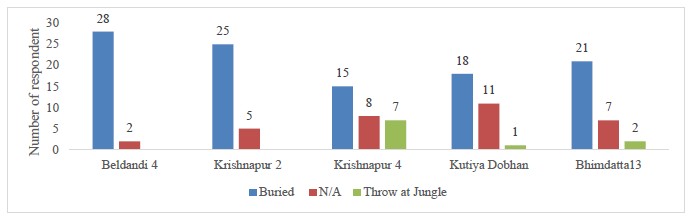
Fig. 2: Carcass disposal methods reported by households in the study area.
About the vulture
Overall awareness of vultures was high, with 92% of households correctly identifying the species. Recognition was strongest in Beldandi-4 (100%), followed by Bhimdatta-13 (96.7%), Krishnapur-4 (90%), and both Krishnapur-2 and Kutiya Dobhan (86.7%), indicating good local knowledge likely supported by conservation outreach. Vultures were described by respondents through their distinct morphology and ecological role as scavengers. The Egyptian vulture’s white plumage makes it particularly recognizable (Stara et al., 2022), while features such as broad wings and a bald head assist in thermoregulation and hygiene when feeding on carcasses.
Population trends of vulture
The perception of vulture population trends varied among respondents. A large majority (84.7%) believed that vulture numbers are declining. However, in Site-1, 33.3% of residents reported an increase, and a similar observation was made by some in Site-5. Respondents from these sites linked this increase to recent conservation actions and better management of carcasses. The detailed site-wise distribution of these perceptions is shown in Table 5. Many respondents recalled that vulture numbers first declined due to the use of diclofenac. This observation matches scientific studies which show that vulture populations crashed from diclofenac poisoning but began to show signs of stabilization after the drug was banned in 2006 (Prakash et al., 2019). The perceived increase in Sites 1 and 5 suggests that conservation efforts in these areas are having a positive effect.
Table 5: Perceived population trends of vultures by respondents
| Category | HHS | Site- 1 | Site-2 | Site-3 | Site-4 | Site-5 | Overall | |
|---|---|---|---|---|---|---|---|---|
| Status | Increase | 33.3 | - | - | - | - | 6.7 | 8.0 |
| Decreasing | 53.3 | 96.7 | 93.3 | 93.3 | 86.7 | 84.7 | ||
| Neutral | 10.0 | 3.3 | - | - | - | - | 2.7 | |
| No idea | 3.3 | - | 6.7 | 6.7 | 6.7 | 4.7 |
Threats to vulture population
Food scarcity (24%), poisoning (14.7%), and habitat loss (10.7%) were cited as major threats, with additional concerns about pollution, deforestation, climate change, and electrocution. The prevalence of different perceived threats across the study sites is compared in Table 6. Studies confirm that diclofenac, a veterinary NSAID, has caused near-extinction of several Asian vulture species (Bhusal et al., 2023a). In South Africa, a major threat to vultures comes from their illegal killing for traditional medicine purposes (Manqele et al., 2023). In Nepal, the use of poisoned carcasses meant for carnivores has led to the deaths of many vultures, with 224 vultures recorded as fatalities from these incidents between 2011 and 2023 (Bhusal et al., 2023a)
Table 6: Threats to vulture population in different sites of study area
| Category | HHS | Site- 1 | Site-2 | Site-3 | Site-4 | Site-5 | Overall | |
|---|---|---|---|---|---|---|---|---|
| Threats | Food scarcity | 13 | 36 | 20 | 30 | 20 | 24 | |
| Habitat loss | 13 | 10 | 3.3 | 6.6 | 20 | 10 | ||
| Poisoning | 13 | 10. | 16 | 10 | 23.3 | 14 | ||
| No idea | 23 | 6.6 | - | 10 | 10 | 10 | ||
| Other | 13 | 6.6 | 23 | 3 | 16 | 12 | ||
| Multiple reasons | 23 | 30. | 36 | 40 | 10 | 28 |
Importance of vulture for environment
Most respondents understood the importance of vultures and understand the importance of conserving them (Figure 3). Vultures play a vital role in preventing zoonotic disease transmission such as rabies, brucellosis, and tuberculosis (Jalilath et al., 2022) and help reduce greenhouse-gas emissions by consuming decomposing carcasses (Plaza & Lambertucci, 2022).
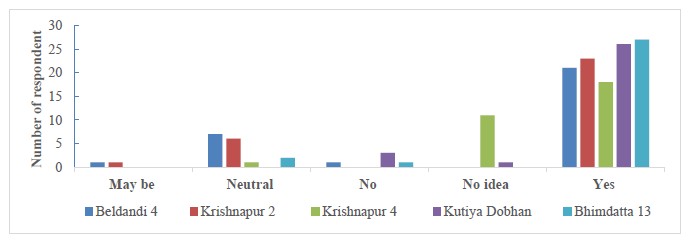
Figure 3: Perceived importance of vultures for the environment among respondents.
Awareness level of respondents
Table 6. shows that the level of awareness is strong as majority of the respondents believe that vulture is important for environment. Awareness of Diclofenac (DFC) remained low across the sites, with just 22% of respondents familiar with it and 78% lacking knowledge. The levels of awareness about diclofenac and vulture conservation in general are broken down by site in Table 7. This underscores the need for better public education on the dangers of DFC. The use of diclofenac, a veterinary NSAID, has been a major factor in vulture declines, particularly in Asia, leading to near extinction of several species (Bhusal et al., 2023a). More than half (52.7%) reported conflicts related to cow-sheds, mainly over hygiene, resource use, and limited community participation.
Table 7: Awareness of diclofenac and attitudes toward vulture conservation
| Sl.no | Category | HHS | Site-1 | Site-2 | Site-3 | Site-4 | Site-5 | Overall |
|---|---|---|---|---|---|---|---|---|
| 1 | DFC | Know about DFC | 20 | 20 | 30 | 13 | 27 | 22 |
| 2 | Unaware of DFC | 80 | 80 | 50 | 87 | 73 | 78 | |
| 3 | Awareness | Feel the necessity of vulture conservation |
90 | 83 | 93 | 80 | 97 | 88.7 |
| 4 | Conflict with cowshed | 37 | 47 | 60 | 37 | 83 | 52.7 | |
| 5 | Respondent aware to vulture |
100 | 87 | 90 | 87 | 97 | 92 | |
| 6 | Respondent not Aware | - | 13 | 10 | 13 | 3 | 8 |
Priorities for vulture conservation
For conservation, respondents recommended designated carcass-disposal zones, awareness programs, and Vulture Safe Feeding Sites (VSFS) as key priorities. These community-preferred conservation priorities are presented in Figure 4. Carcass zones minimize exposure to contaminated remains (Oaks et al., 2004). Awareness programs were most supported in Beldandi-4 (40%) and Krishnapur-2 (33%), VSFS initiatives in Krishnapur-2 (40%) and Kutiya Dobhan (23%), and research or monitoring in Bhimdatta-13 (13%). These preferences highlight the community’s recognition of vulture importance and the need for continued education, infrastructure, and participatory management
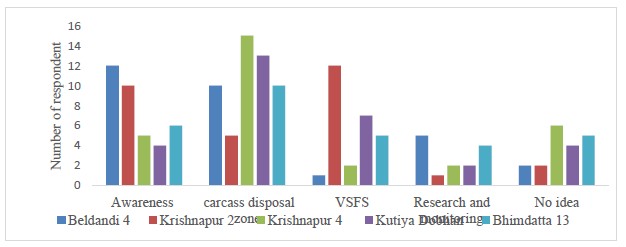
Figure 4: Community-preferred priorities for vulture conservation activities.
Perception on cowshed
Overall, 65% of respondents expressed a positive perception of cow-sheds, with the highest approval observed in Site-4 and Site-5 (73.3%) and the lowest in Site-2 (50%). Public perception of cow-sheds and the level of community participation in their management are further detailed in Table 8. Negative opinions were relatively low (average 11.3%), with Site-1 showing the highest negativity (20%). Many people view cow shelters as the most effective way to manage stray cow populations (Sharma et al., 2019). Less than half (48%) believed that cow-sheds are an effective strategy for vulture conservation, with particularly strong support in Site-1 (76.7%) and low confidence in Site-5 (16.7%).
Cow-sheds can act as alternative feeding areas, providing a consistent and safe food source for vultures—similar to vulture restaurants that have been linked to increased breeding success in Cape vultures (Schabo et al., 2017). They also help ensure carcasses are free of toxic veterinary drugs such as diclofenac before exposure to vultures (Prakash et al., 2012). However, only 8% of respondents reported direct involvement in cow-shed management, indicating limited community participation despite widespread awareness and positive attitudes.
Table 6: Perception of cow-sheds and participation in their management.
| Category | HHS | Site-1 | Site-2 | Site-3 | Site-4 | Site-5 | Overall | |
|---|---|---|---|---|---|---|---|---|
| perspective of cowshed | Positive | 66.67 | 50 | 60 | 60 | 73.3 | 73.3 | 64.6 |
| Negative | 20 | 6.6 | 6.6 | 6.6 | 6.6 | 16.6 | 11.3 | |
| Neutral | 13.33 | 43.33 | 33.33 | 33.33 | 16.67 | 10 | 23.3 | |
| Positive & effective way of vulture conservation | 76.6 | 76.7 | 36.6 | 56.6 | 53.3 | 16.6 | 48 | |
| Enrollment of people in cowshed | Yes | 10 | – | – | 13.3 | 13 | 3.3 | 8 |
| No | 76.6 | 60 | 76.6 | 33.3 | 63 | 62 | 78 | |
| Neutral | 13 | 16 | 10 | 23 | 10 | 14 | 14 |
Challenges while providing livestock to cowshed
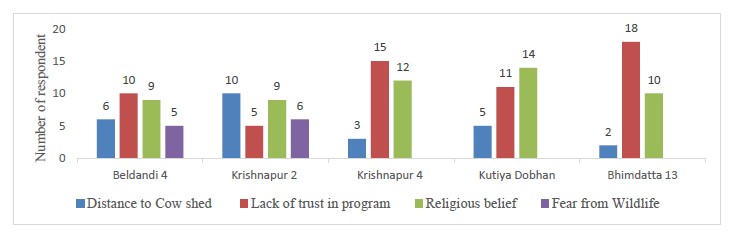
Lack of trust to cowshed, religious concerns, distance from home to cowshed and fear from wildlife were the major challenges that have strived people to provide their livestock to the cowshed. The prevalence of these challenges is shown in Figure 5. The findings indicate that the primary obstacles in supplying livestock to cowsheds are a lack of confidence in the program and cultural or religious beliefs. Distrust was most evident in Bhimdattai-13 and Krishnapur-4, while religious issues were notably reported in Kutiya Dobhan and Krishnapur-4. In Nepal, nearly 80% of people follow Hinduism, cows are revered as sacred and hold significant cultural, religious, and legal importance (Malagodi, 2021). Long distances to cowsheds posed challenges in Krishnapur-2 and Beldandi-4, and concerns about wildlife were mentioned only in a few areas. Enhancing community involvement will require building trust, acknowledging traditional beliefs, and improving accessibility.
Incentives or supports
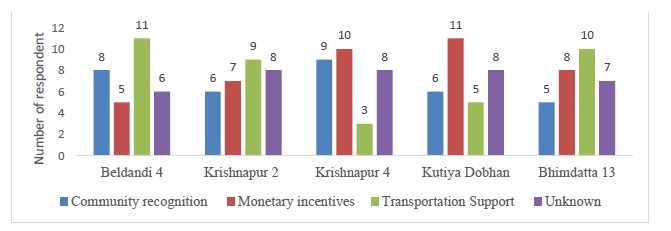
Preferences for incentives to encourage livestock carcass provision at cowsheds differ across sites. The types of incentives suggested by households are detailed in Figure 6. Transportation facility was sought in Beldandi 4 (37%) and Bhimdattai 13 (33%), whereas financial incentives are preferred in Krishnapur 4 (33%) and Kutiya Dobhan (37%). Community recognition holds moderate interest (17–30%) throughout the areas. However, a notable portion of respondents (20–27%) remain uncertain about which support would motivate them, highlighting the need for improved information and outreach. This happens because transportation support and monetary incentives directly help reduce the effort and costs involved in delivering carcasses, making participation easier and more rewarding. Respondents who do not rear the livestock or even rear household animals have no plan to provide carcasses, making it difficult for them to say which incentives would motivate them.
Discussion
This study shows that the success of cow-sheds for vulture conservation depends on solving major socio-cultural and practical problems, not just on raising awareness. While local recognition of vultures (92%) and cow-sheds (99.3) is nearly universal, this has not created a reliable carcass supply, as only 16% of households have ever donated.
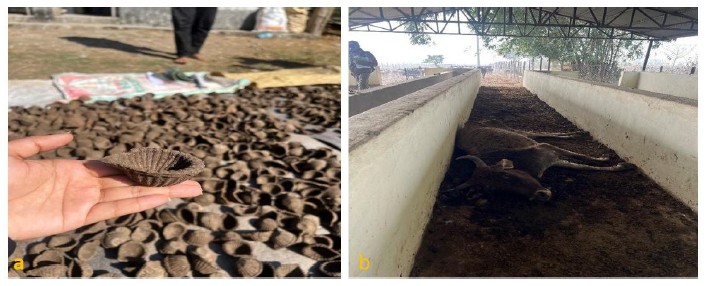
The main barriers are a strong lack of trust in cow shed management and religious values associated with cattle. These issues are worsened by a broader move away from livestock farming, which is reducing the overall number of carcasses available. A critical finding is the gap between local perception and ecological data. A large majority of respondents (84.7%) believe vulture numbers are falling, a perspective shaped by the historical diclofenac crisis. This contrasts with scientific studies showing population recovery after the drug was banned (Prakash et al., 2019). This difference means the positive results of national policies are not yet fully visible or believed locally, which could weaken community support. However, the reports of increasing vultures in some areas prove that recovery is achievable where local conditions are supportive. In sites 1 and 5, the local respondents demonstrated a higher level of awareness regarding the role of cow-sheds in supporting the increase of vulture populations. They reported that vultures were abundant in the past, experienced a decline in the middle years, and have recently shown an increase, which they attributed to the establishment of cow-sheds. Several studies (e.g., Subedi 2009) have shown that favourable carcass disposal practices and managed cow-sheds increase food availability and support the recovery of vulture populations. Positive perceptions were high, as raw materials such as cattle dung were utilized for various purposes such as shampoo, soap, necklaces, and traditional lamps (deyo) contributing to local livelihoods and enhancing the local economy which was practicing in 3 that is justified by fig a. Negative opinions were relatively low about the perspective of cow-shed because in several cow-sheds, the accumulation of unmanaged carcasses suggested to the local community that cattle care was insufficient, indicating a need for improved carcass management practices which is justified by fig b. Awareness-raising on the veterinary use of the non-steroidal anti-inflammatory drug Diclofenac which is nephrotoxic to scavenging vultures was an integral component of the conservation programme around Shuklaphanta National Park and its buffer zones to reduce carcass contamination in Nepal (Chapagain et al., 2019). Only 22% of respondents were aware of the threat from diclofenac, meaning most people cannot actively ensure the food they provide is safe.
The solution is clear from the community’s own feedback. People need practical support transportation, financial incentives, and better cow-shed management. Therefore, conservation efforts must shift from raising awareness to enabling action. By building trust, providing the requested support, and closing the knowledge gap on specific threats, cow-sheds can become a true solution for vulture recovery.
Conclusion
This study confirms that the success of cow-sheds for vulture conservation around Shuklaphanta National Park depends on overcoming a critical gap between high community awareness and low participation. The primary barriers are not a lack of knowledge but a significant lack of trust in management, deeply held religious values concerning cattle, and practical challenges such as distance and lack of incentives. Therefore, conservation strategy must shift from raising general awareness to enabling concrete action. Based on community feedback, this requires a focus on three key areas: building trust through transparent and effective cow-shed management; providing direct, logistical support such as transportation services and financial incentives for carcass donation; and launching targeted education programs on specific veterinary threats like diclofenac.
By aligning conservation programs with these community-identified needs and constraints, cow-sheds can evolve from a theoretical concept into a sustainable, community-supported solution, securing a reliable food source for the recovery of critically endangered vultures in Nepal.
Acknowledgement
The authors would like to thank the Department of National Parks and Wildlife Conservation (DNPWC) for granting permission to conduct this research. We are also grateful to Bird Conservation Nepal (BCN) for the research grant that supported this work. We also acknowledge Mr. Binti Timalsina for his indispensable assistance during the field survey. Finally, we thank the community members of the study area for their participation and time.
Declarations
Conflict of Interest: The authors declare that they have no conflict of interest.
References
- Bhusal, K., Chaudhary, I. P., Rana, D. B., Thakuri, D. C., Joshi, A. B., Karki, B., & Mallord, J.(2023a). Poisoned baits pose a threat to vultures in Nepal. Nepalese Journal of Zoology, 7(1), 14-19.
- Bhusal, K. P., Joshi, A. B., Rana, D. B., Thakuri, D. C., & McClure, C. J. (2023b). Population and productivity of the critically endangered white-rumped vulture (Gyps bengalensis) in the Argha important bird and biodiversity area, Nepal. Journal of Raptor Research, 57(3), 352-358.
- Birds on the Brink. (2020, August 20). Vultures in Nepal, a 2020 update.
- Chapagain, D., Joshi, A.B., Chaudhary, I., Chaudhary, A., Baral, H. S., Cuthbert, R. J., & Green, R. E. (2019). Partial recovery of Critically Endangered Gyps vulture populations in Nepal. Bird Conservation International, 30(1), 87-102.
- Chaudhary, A., Subedi, T. R., Giri, J. B., Baral, H. S., Binari, B., Subedi, H. E. M., & Cuthbert, R. J. (2012). Population trends of Critically Endangered Gyps vultures in the lowlands of Nepal. Bird Conservation International, 22(3), 270-278.
- Dhakal, H., Sharma, H. P., & Chaudhary, A. (2013). Status of vulture species visiting a vulture safe feeding site (Rupendehi) for carcass feeding in different seasons, Nepal. Bird Conservation Nepal. Himal. Journal of Himalayan Ornithology, II, 119-125.
- Fernandez-Gomez, L., Cortes-Avizanda, A., Arrondo, E., Garcia-Alfonso, M., Ceballos, O., Montelio, E., & Donazar, J. A. (2022). Vultures feeding on the dark side: current sanitary regulations may not be enough. Bird Conservation International, 32(4), 590-608.
- Gautam, R., Baral, N., & Sharma, H. P. (2022). An white-rumped vultures (Gyps bengalensis) scavengers or predators at a vulture safe feeding site of Nepal? Biodiversitas Journal of Biological Diversity, 23(7).
- Giza, S., & Wakaro, T. (2024). Evolution and History of Domestication of Livestock, Livestock Population, and Livestock Development Trend in the World and in Ethiopia. International Journal of Genetics and Genomics, 12(4), 93-102.
- Harris, R. J. (2013). The conservation of Accipitridae vultures of Nepal: a review. Journal of Threatened Taxa, 5(2), 3603-3619.
- Jalihal, S., Rana, S., & Sharma, S. (2022). Systematic mapping on the importance of vultures in the Indian public health discourse. Environmental Sustainability, 5(2), 135-143.
- Lee, J.-I., Cho, E.-J., Lyonga, F. N., Lee, C.-H., Hwang, S.-Y., Kim, D.-H., Lee, C.-G., & Park, S.-J. (2021). Thermo-chemical treatment for carcass disposal and the application of treated carcass as compost. Applied Sciences, 11(1), 431.
- Malagodi, M. (2021). Holy Cows and Constitutional Nationalism in Nepal. Asian ethnology, 80(1), 93-120.
- Margalida, A., Bertran, J., & Heredia, R. (2009). Diet and food preferences of the endangered Bearded Vulture Gypaetus barbatus: a basis for their conservation. Ibis, 151(2), 235-243.
- Manqele, N. S., Selier, S. J., Taylor, J., & Downs, C. T. (2023). Vulture perceptions in a socio-ecological system: a case study of three protected areas in KwaZulu-Natal, South Africa. Journal of Ornithology, 164(4), 789-801.
- Oaks, J. L., Gilbert, M., Virani, M. Z., Watson, R. T., Meteyer, C. U., Rideout, B. A., Shivaprasad, H. L., Ahmed, S., Chaudhry, M. J. I., Arshad, M., Mahmood, S., Ali, A., & Khan, A. A. (2004). Diclofenac residues as the cause of vulture population decline in Pakistan. Nature, 427(6975), 630-633.
- Plaza, P. I., & Lambertucci, S. A. (2022). Mitigating GHG emissions: A global ecosystem service provided by obligate scavenging birds. Ecosystem Services, 56, 101455.
- Prakash, V., Bishawakarma, M. C., Chaudhary, A., Cuthbert, R., Dave, R., Kulkarni, M., ... & Green, R. E. (2012). The population decline of Gyps vultures in India and Nepal has slowed since veterinary use of diclofenac was banned. PloS one, 7(11), e49118.
- Prakash, V., Galligan, T. H., Chakraborty, S., Dave, R., Kulkarni, M. D., Prakash, N., & Green, R. E. (2019). Recent changes in populations of Critically Endangered Gyps vultures in India. Bird Conservation International, 29(1), 55-70.
- Safford, R., Andevski, J., Botha, A., Bowden, C. G., Crockford, N., Garbett, R., ... & Williams, N. P. (2019). Vulture conservation: the case for urgent action. Bird Conservation International, 29(1), 1-9.
- Salliou, N. (2023). Quitting livestock farming: transformation pathways and factors of change from post-livestock farmers’ accounts. Frontiers in Sustainable Food Systems, 7, 1229929.
- Schabo, D. G., Heuner, S., Neethling, M. V., Rösner, S., Uys, R., & Farwig, N. (2017). Long-term data indicates that supplementary food enhances the number of breeding pairs in a Cape Vulture Gyps coprotheres colony. Bird Conservation International, 27(1), 140-152.
- Sharma, A., Schuetze, C., & Phillips, C. J. (2019). Public attitudes towards cow welfare and cow shelters (gaushalas) in India. Animals, 9(11), 972.
- Sihara, K., Saravia-Mullin, V., Tsikarikis, R., Adefolu, S., Akyol, A., Akyol, R. I., ... & Nikolov, S. C. (2022). Following the White Vulture: Ethno-ornithology along the flyway of the Egyptian Vulture (Neophron percnopterus). Human Ecology, 50(4), 725-738.
- Yoon, J.-H., Kim, Y.-N., Shin, D.-C., Kim, K.-R., & Kim, K.-H. (2017). Management of animal carcass disposal sites using a biochar permeable reactive barrier and fast-growth tree (Populus euramericana): A field study in Korea. Sustainability, 9(3), 457.
**************